The Myth That a Heavier Bat Automatically Hits Harder
Does a heavier cricket bat hit harder? Compare balance, swing control and shot choice so you can pick a bat that suits the strokes you actually play.
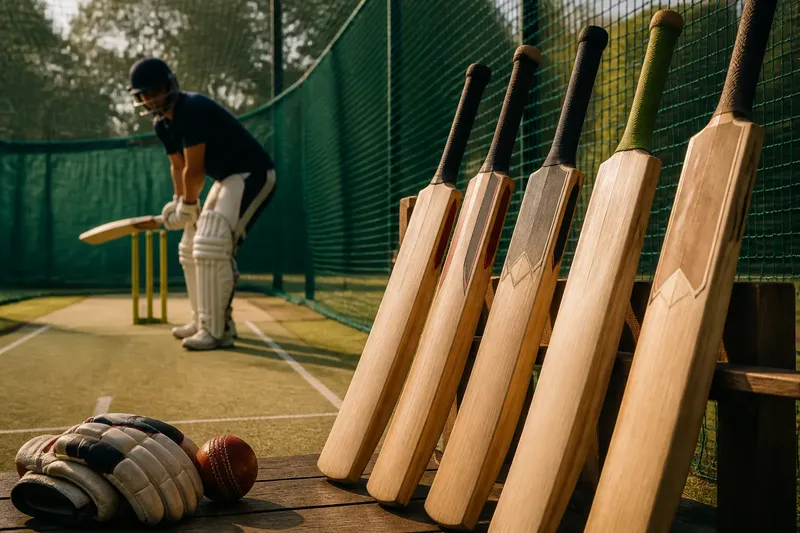
The common mistake when choosing a cricket bat is to lift it, feel its weight and assume the heavier one will send the ball farther. That shortcut can cost you control: if a bat feels slow or awkward, you may struggle to bring it through the intended line. Does a heavier cricket bat hit harder? Not by weight alone; contact and control matter too.
Start with the shots you play, then compare each bat’s weight, balance and pick-up through familiar movements. You should be able to prepare, swing and meet the ball without changing your technique just to manage the bat.
Start with your shots
Think about your usual scoring options before picking up a bat. If you often drive along the ground, you may value a controlled path through the ball. If you regularly play forceful shots from the crease, a different feel may suit you. Neither preference makes one bat universally better.
A straight drive asks you to bring the bat down in a clear line. A pull or cut calls for a different path and timing. If a bat feels manageable only when you make a large, forceful swing, it may not suit the range of shots you want to keep available.
Notice how you prepare. If the bat comes up late or you grip harder to stop it moving, compare its movement with another option. These signs do not prove it is too heavy, but they are more useful than choosing by heft alone.
Compare weight and balance
Two bats can have a similar weight yet feel quite different. Balance and mass distribution affect how each sits in your hands and how readily the blade moves. One may feel easy to lift but harder to redirect; another may feel substantial at rest yet move smoothly through your usual swing.
A label or quick lift cannot settle the choice. Ask whether you can control the bat from your stance into the shot and redirect it comfortably. A bat that feels lively in a straight lift may feel less manageable when you play across the line.
Grip size and hand position also affect control. Hold the bat as you would at the crease, rather than pinching it by the handle. A secure, relaxed hold gives you a more relevant sense of its movement. If the grip feels unsuitable, account for that before blaming the blade’s weight.
Compare familiar swings
Use a clear space where you can swing safely, and follow the shop’s handling guidance. Do not take full swings near other people, fragile objects or loose equipment. If you have access to a net and suitable balls, ask a coach or experienced club player to help you compare bats during normal practice.
Hold each bat in your usual stance and make the same controlled shadow swing. Check whether you can prepare without strain, bring the blade through the intended line and finish balanced. Repeat with a straight-bat stroke and a cross-batted stroke. Keeping the movements alike makes the comparison more useful.
Then slow the swing down. If a bat only feels manageable at full effort, you may have less room to adjust. In a match, contact, placement and timing can call for a measured swing rather than maximum force.
Say you usually play late cuts and straight drives, and two bats feel similar in your hands. Imagine the heavier one feels powerful in a lift but makes you rush the cut. You try the other bat with the same two shadow swings and stay balanced through both. The observable result is that the second bat gives you a more controlled rehearsal of those strokes; it does not promise extra distance or better scores.
Questions about bat choice?
Does a heavier bat hit the ball farther?
Not automatically. Contact quality, bat movement and the shot being played all affect the result, so heft alone cannot predict distance.
How can I tell if a bat feels too heavy?
Notice whether preparation feels strained, the swing arrives late or you struggle to redirect the blade while staying balanced. Compare another bat using the same movements before deciding.
Should beginners choose a lighter bat?
A lighter-feeling bat may be easier for some beginners to control, but there is no single choice for everyone. The useful test is whether the player can prepare and swing comfortably with a sound, repeatable movement.
Does balance matter more than weight?
Neither should be considered in isolation. Weight describes how heavy the bat is, while balance helps explain how that mass feels in motion; compare both in your own grip and swing.
Use this selection check
Compare candidates with the same grip and movements, then use the observations to make a clear decision:
- Preparation: Check whether you can raise the bat without strain. If preparation feels strained, compare a bat that feels easier to lift; otherwise, continue the trial.
- Straight drive: Check whether the blade follows your intended line. If it wanders, try another bat; if it stays controlled, keep it in consideration.
- Cut or pull: Check whether you can redirect the bat smoothly. If you rush or lose control, set that option aside; if you stay balanced, continue comparing it.
- Grip: Check whether your hands feel secure without squeezing hard. If the handle or grip feels unsuitable, try a better-fitting grip or another bat; if it feels secure, assess the swing.
- Slower swing: Check whether the bat remains manageable at a measured pace. If it only feels controllable with full effort, favour an option you can adjust more easily; otherwise, retain it as a candidate.
- Condition: Check for a loose grip, damaged handle or cracked blade. If you spot damage, do not use the bat until a qualified bat repairer or the manufacturer’s guidance has addressed it; if it is sound, proceed with the comparison.
Choose for match use
Once a bat feels controlled in shadow swings, consider the conditions in which you will use it. A practice bat can be judged over ordinary net sessions; for a match bat, consider whether it feels dependable across the shots you expect to play. If possible, handle more than one suitable option before choosing.
During practice, notice how the bat feels across a range of ordinary shots, not just one dramatic swing. Does your grip stay relaxed? Can you move from a straight-bat stroke to a leg-side shot without fighting the bat? Do you finish balanced? These observations help distinguish a bat that is impressive to lift from one that suits your batting.
It is not worth spending ages comparing tiny differences in weight that you cannot notice during a normal swing. Focus on clear differences in control, preparation and comfort.
Check fit and condition
A player should be able to hold the handle comfortably and control the blade without stretching or gripping excessively. If the bat is for a young player, let them hold it in their usual stance and rehearse familiar shots. An adult’s preference for a substantial feel may not suit the player’s technique.
Check the bat’s condition before judging its feel. A damaged handle, loose grip or cracked blade can alter how it feels and may make it unsuitable for play. Ask a qualified bat repairer about repairs beyond routine care, or follow the manufacturer’s instructions. Bat specifications, preparation and permitted use can vary by maker and competition rules, so check the relevant requirements.
Does a heavier cricket bat hit harder? Weight alone cannot answer that. Rehearse the shots you actually play and choose the bat you can move with control and intention. That gives you a useful basis for practice while leaving room to adjust as your strength and technique develop.