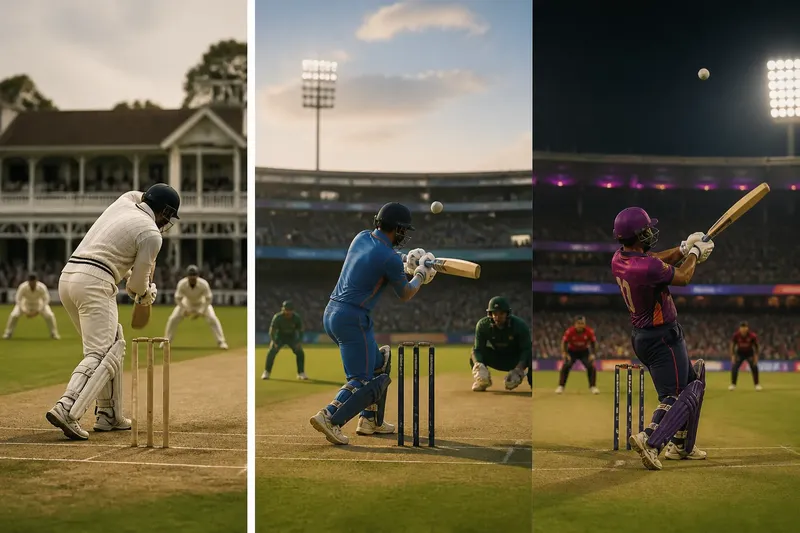
Before the First Ball: Reading the Toss and Match Setup
Learn how to read a cricket toss, separate the coin result from the captain’s choice, and use the match setup to follow the opening plan.
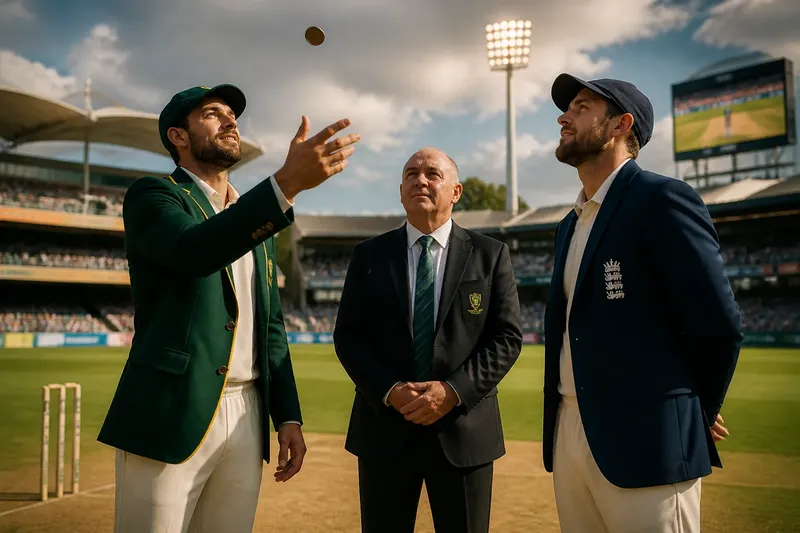
The common mistake when reading a cricket toss is to treat the captain’s choice as a prediction of who will win. That can lead you to mistake a decision about conditions and timing for a verdict on either side’s strength. To read a cricket toss, separate the coin result from the captain’s choice, then check the match rules and surroundings that give the choice context.
Toss and choice
Before play, the captains meet with the match officials for the toss. One captain calls heads or tails. The captain whose call is correct wins the toss and chooses whether their team bats or fields first. The toss does not determine the batting order by itself.
A report such as “the visitors won the toss and chose to bowl” contains two facts: the visitors won the coin toss, and their captain selected the order of play. If you hear only that a side “won the toss”, you do not yet know whether it will bat or field first.
The choice is usually described as “bat” or “bowl”. A captain who chooses to bowl is choosing to field first, with the other team batting. You may also hear “field” in the announcement; it means the same broad choice.
Conditions and timing
The captain is weighing conditions, not making a choice in isolation. A pitch can look dry, firm or damp. Overhead cloud and the state of the outfield may also affect how a team expects the opening period to unfold. These are clues for an informed judgement, not promises about how the surface or ball will behave.
Timing matters too. In a day-night match, light and atmosphere change during play. A side might prefer to bat while conditions are clearer, or bowl later if it expects the ball to be harder to handle under lights. These are possible tactical reasons, not rules that make one option automatically correct.
Listen to the captain’s explanation after the decision. Phrases such as “the pitch looks good” or “we want to make use of the conditions” offer clues about the plan. They are brief public explanations, not certain forecasts or a complete account of every consideration.
Match format
Establish what kind of match is being played and how its innings are organised. In a multi-innings match, teams can bat more than once. In limited-overs cricket, each side has an allotted number of overs, so the toss affects which team bats during that scheduled allocation.
In a limited-overs match, the side batting first aims to set a total for the opposition to chase. In a multi-innings match, the first innings is part of a longer contest in which later batting opportunities may matter. The toss has the same basic meaning in both formats, but “bat first” has different strategic context.
Check the match announcement, scoreboard or published playing conditions for the innings structure, overs, breaks and arrangements for lost time. If a condition is unusual or unclear, use the event’s official playing conditions or ask a match official. Local rules can vary, so do not assume that every competition follows the same arrangements.
Teams and roles
Once you know the order of play, check the announced teams. A team sheet tells you who is available for the match, but a player’s name alone does not explain their role. Some players specialise in batting or bowling; others contribute in more than one way. The wicketkeeper stands behind the stumps to receive the ball when the batter does not play it.
Notice who is named as captain. The captain makes decisions on the field, including bowling changes and field placements. The toss is one of the first visible examples of that responsibility. Do not assume the captain is necessarily the most prominent batter or the most experienced player.
Say you arrive just before a limited-overs match. The home captain has won the toss and chosen to bat. You know the visitors will field first, but you cannot infer that the home side expects an easy innings. You check the announced overs and team sheets, then watch the opening batters defend the first deliveries and leave risky shots alone. The observable result is a cautious start; whether it suits the plan becomes clearer as the innings unfolds.
Reading the toss?
What does winning the toss mean?
It gives the winning captain the choice of whether their team bats or fields first. The toss does not identify the first batting side until the captain announces that choice.
Why might a captain choose to bowl first?
The captain may expect conditions to favour bowlers early or prefer to chase a target later. These are possible reasons, not dependable predictions of how the match will unfold.
Where can I find the match format?
Check the match announcement, official scoreboard or published playing conditions. They identify the innings structure and any limits that matter to the contest.
Does the toss decide the winner?
No. It gives one captain an initial choice; the result depends on what both teams do during the match. Treat the toss as context for the opening plan, not a forecast of the final result.
Before play checks
Use these observations to decide what to follow next:
- Toss result: Check which captain won the coin toss. If the winner’s choice is also announced, note it; if not, wait for the decision rather than guessing.
- Batting order: Check whether the toss winner chose to bat or bowl. If they chose to bat, expect their team to open; if they chose to bowl or field, expect the opposition to open.
- Match format: Check the announcement or scoreboard for limited overs or multiple innings. If it is limited overs, follow the allotted innings; if it is multi-innings, allow for later batting turns.
- Playing conditions: Check the official notice for rules on innings, overs or interruptions. If a condition affects the schedule, use that notice to interpret play; if none is stated, do not invent a special rule.
- Team sheets: Check the named captain and wicketkeeper. If a role is stated, use it; if it is not, avoid assigning a role from reputation alone.
- Opening plan: Check the first bowler, field placement and batters’ shot choices. If they show an attacking or cautious approach, treat it as an early clue; if the pattern changes, revise your reading.
Opening passage
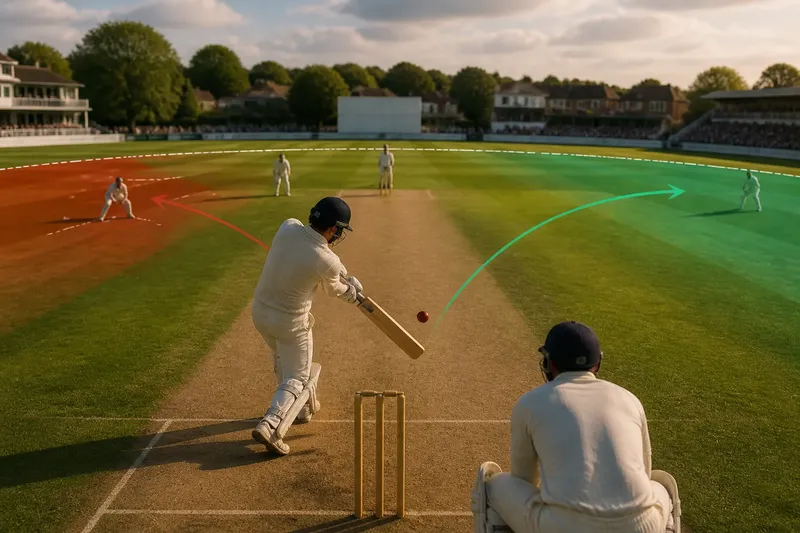
The first overs show how the toss decision meets actual conditions. If the captain chose to bowl, notice which bowler starts and where the fielders stand. A close fielder may suggest an attempt to create pressure or pursue a chance; a deeper position may protect space where the ball could be hit. Neither arrangement proves what the bowler will deliver.
If the toss winner chose to bat, watch how the batters respond to the opening bowler and the surface. They may prioritise keeping their wickets or try to score early. The score alone does not tell you whether the decision is working: match length, conditions and wickets lost all shape what counts as a useful start.
It is not worth trying to read certainty into the pitch’s appearance or a short interview. Those clues can help explain the choice, but play gives you clearer evidence. Keep the search phrase “reading a cricket toss” in mind as a prompt to ask what the captain sought to gain and how the team responds once the ball is in play.